Obstruction Lighting
Obstruction lighting (aircraft warning lights) is used to mark structures such as buildings, towers, wind turbines, and cranes to ensure visibility and aviation safety in accordance with international regulations.
Obstruction Lighting
Obstruction lighting systems are essential for marking tall or hazardous structures to prevent aircraft collisions and ensure compliance with ICAO and FAA requirements. These systems typically include low, medium, or high intensity aviation obstruction lights depending on structure height, location, and risk level. Common applications include high-rise buildings, telecommunications towers, chimneys, cranes, flares, and wind turbines, where reliable visibility in both day and night conditions is critical. Modern solutions often use LED aviation obstruction lights for improved energy efficiency, long lifespan, and reduced maintenance. A complete obstruction lighting system combines aviation obstruction lamps with control and monitoring systems to ensure continuous operation, fault detection, and compliance reporting. For buildings and urban environments, aircraft warning lights for buildings are designed to integrate seamlessly while meeting strict safety standards. Whether standalone fixtures or fully integrated systems with control systems and monitoring, obstruction lighting solutions provide a scalable, compliant approach to safeguarding airspace while supporting project-specific requirements and operational reliability.
Ready to see how
Q-Aviation can support your next project?
Our team is ready to help you find the right lighting
solution. Get in touch and let’s explore the possibilities.
Or call us during office hours.
+31 118 221 186
Our office is open Monday through Friday,
from 8:30 AM to 5:00 PM (CET).
Highlighted product
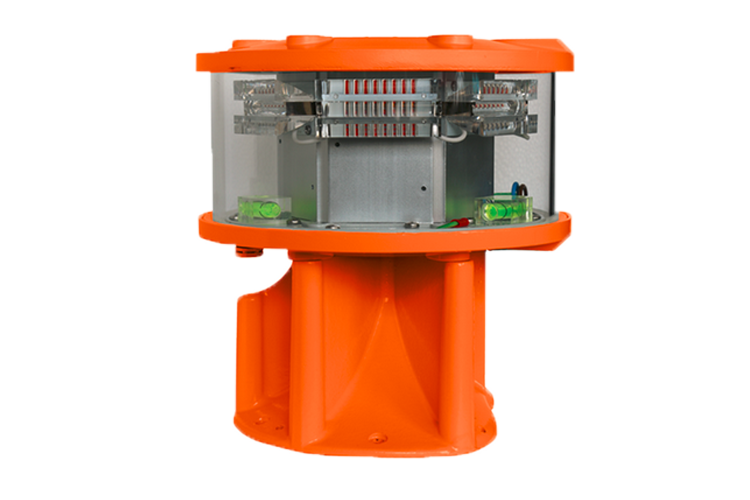
The Q-Explosion Proof Obstruction Light Medium Intensity 2000 cd is
in compliance with ICAO/FAA/CAP437. The Light is a 2000 cd red
obstruction light for Hazardous Area.